Areas of intervention
Two broad areas bring together Urpichallay's five lines of work and show how education, territory, biodiversity, health, climate and community participation are connected.

Education and intergenerational transmission
Connects school, community, young people and knowledge holders to strengthen contextualised learning and the continuity of cultural memory.
- Intercultural and community education
- School for Young Community Leaders
- Intergenerational transmission and recognition of wise women and men

Photo: Henry Barreto / Icónica
Biodiversity, health and territory
Integrates the care of seeds, medicinal plants, water, ecosystems and community knowledge in response to environmental and climate challenges.
- Agrobiodiversity
- Medicinal plants and community health
- Environment and climate resilience
Lines of work
Five lines connect Urpichallay’s projects in Áncash, bringing together community knowledge, territory and practical action.
01Agrobiodiversity

Photo: Henry Barreto / Icónica
We strengthen the conservation of native seeds and crops together with custodian families, farmers and local knowledge holders.
In situ conservation of native potatoes
Community seed banks, multiplication of native varieties, support for custodian families and seed exchange.
- Vicos–Cachipachán
- Ecash–Huashcar and Ponquez
- Túpac Yupanqui–Hnkopampa
Recognition of women and men knowledge holders
Recognition and visibility of people who preserve traditional knowledge on biodiversity, health, food and crafts.
- 20 knowledge holders recognised
- Vicos, Marcará, Túpac Yupanqui and Ecash
02Medicinal plants and community health
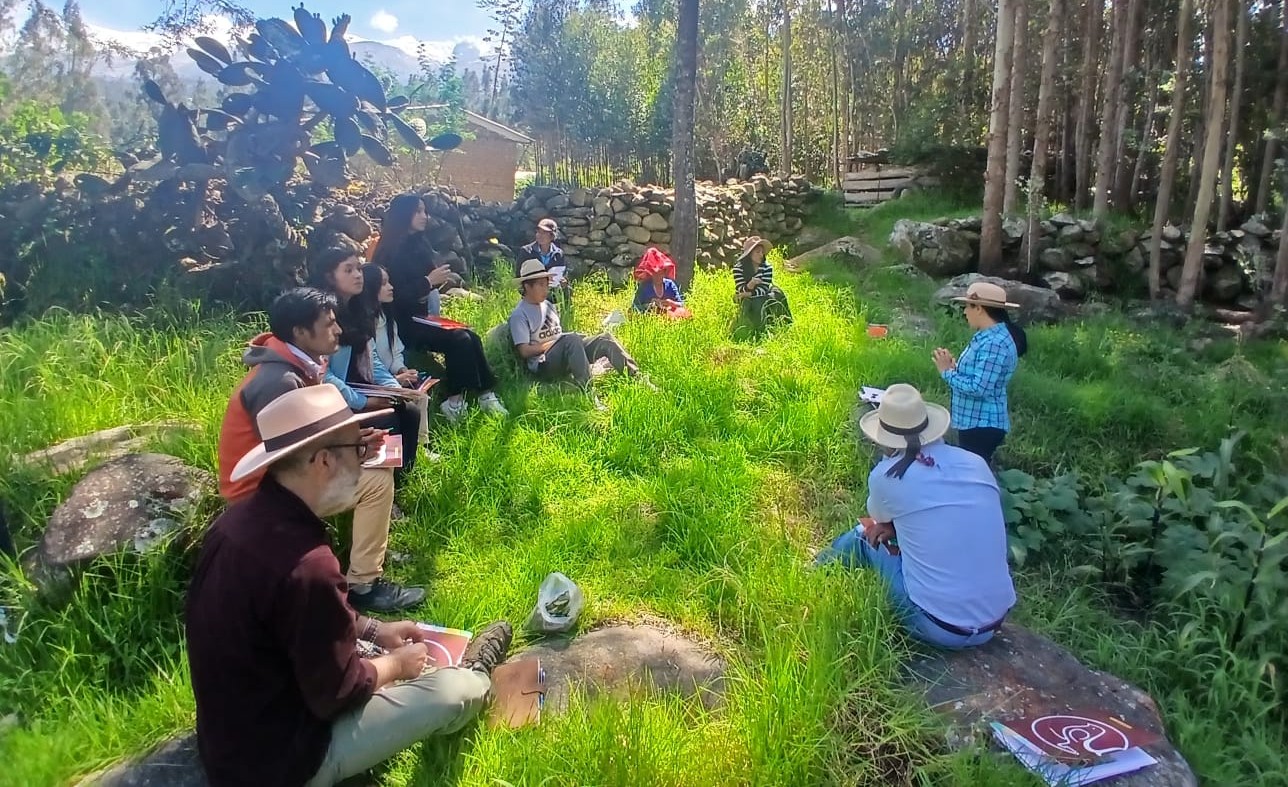
We recover and transmit traditional medicinal-plant knowledge through experiential learning, territory walks and community practices of care.
Medicinal Plants Course of the Callejón de Huaylas
Learning with local knowledge holders, recognition walks, collective preparation of traditional remedies and educational materials.
Learn more ↗03Environment and climate resilience

We connect living memory, youth leadership and biocultural initiatives to respond to climate impacts on water, seeds, biodiversity and community life.
Living Memory for Climate Resilience
Participatory diagnosis, intergenerational dialogue and recovery of water sources, wetlands, native seeds and family and school gardens.
- 252 participants reported in community initiatives
- Vicos, Túpac Yupanqui, Ecash and Huamarín
04Intercultural and community education
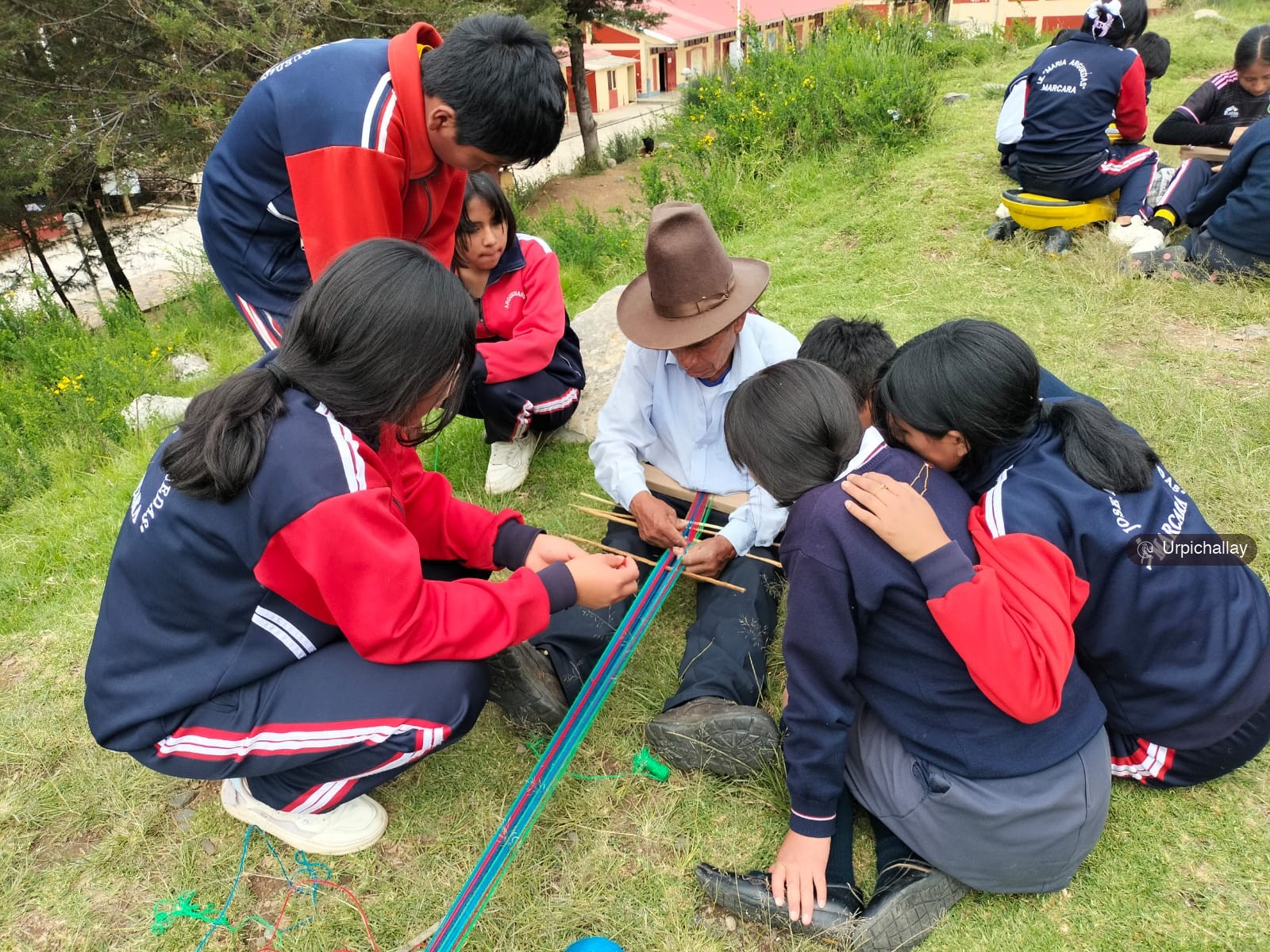
We build bridges between school, community and territory, recognising local knowledge as a legitimate source of learning.
Schools that Cultivate Life
School gardens, medicinal plants, native seeds and water become living learning spaces connected to curriculum and community life.
Teacher training in Intercultural and Community Education
Supports teachers to contextualise curriculum through knowledge matrices, community calendars and intercultural learning projects.
- 30 teachers
- 16 educational institutions
BRIDGE · School stories from two worlds
Connects children in Austria and Peru through stories, drawings, images, digital exchange and a bilingual calendar.
- 30 students in Austria
- 30 students in Peru
Andean wisdom and education with adolescents
Educational research with secondary students in Marcará on learning from territory, nature and elders’ knowledge.
- José María Arguedas school
- Urpichallay, UNASAM and University of Innsbruck
05School for Young Community Leaders

We train and accompany rural youth to understand their territory, learn with elders and turn community learning into practical initiatives for good living.
Community facilitator training
Experiential learning on governance, territory, ancestral knowledge, community calendars and biocultural initiatives.
Young Sowers of Life
Supports graduates to design and implement micro-initiatives on water, seeds, gardens, traditional medicine and biodiversity.
- Pilot with 10 rural young people
- Communities of the Callejón de Huaylas
Networks that connect our work
Urpichallay strengthens networks of teachers, young people and community leaders who sustain learning, participation and care for the territory.
AMIRA Network
Association of Intercultural Teachers of the Áncash Region, linked to intercultural and community education processes.
AMAK Youth Network
A space for youth participation focused on preserving Andean culture and territory.
Environmental Promoters Network
Community leaders committed to caring for local ecosystems and strengthening community responses to climate change.